
- English
- Español
- Português
- русский
- Français
- 日本語
- Deutsch
- tiếng Việt
- Italiano
- Nederlands
- ภาษาไทย
- Polski
- 한국어
- Svenska
- magyar
- Malay
- বাংলা ভাষার
- Dansk
- Suomi
- हिन्दी
- Pilipino
- Türkçe
- Gaeilge
- العربية
- Indonesia
- Norsk
- تمل
- český
- ελληνικά
- український
- Javanese
- فارسی
- தமிழ்
- తెలుగు
- नेपाली
- Burmese
- български
- ລາວ
- Latine
- Қазақша
- Euskal
- Azərbaycan
- Slovenský jazyk
- Македонски
- Lietuvos
- Eesti Keel
- Română
- Slovenski
- मराठी
- Srpski језик

How Is Natural Flavour and Fragrance Reshaping the Fine Chemical Industry?
The fine chemical sector is witnessing a profound shift as industries move toward cleaner, safer, and more sophisticated sensory solutions. Natural Flavour and Fragrance ingredients are no longer niche additives; they have become essential components in food, beverage, personal care, and household products. This article examines the driving forces, technical dimensions, and supply landscape behind this growing segment.
What Defines the Modern Demand for Sensory Ingredients?
Consumers and manufacturers alike are seeking products that deliver authentic sensory experiences. This demand has elevated the role of Natural Flavour and Fragrance materials from simple additives to strategic formulation choices. Key factors include:
- Clean-label preferences: End users increasingly favor recognisable, naturally derived ingredients.
- Sensory authenticity: Natural profiles often provide nuanced, layered notes that synthetic equivalents struggle to replicate.
- Regulatory support: Many regions encourage or require transparency in flavouring and fragrance labelling.
- Application diversity: From baked goods to perfumes, the need spans multiple industries.
- Supply chain maturity: Advances in isolation and blending technologies improve consistency.
Core Categories and Their Roles
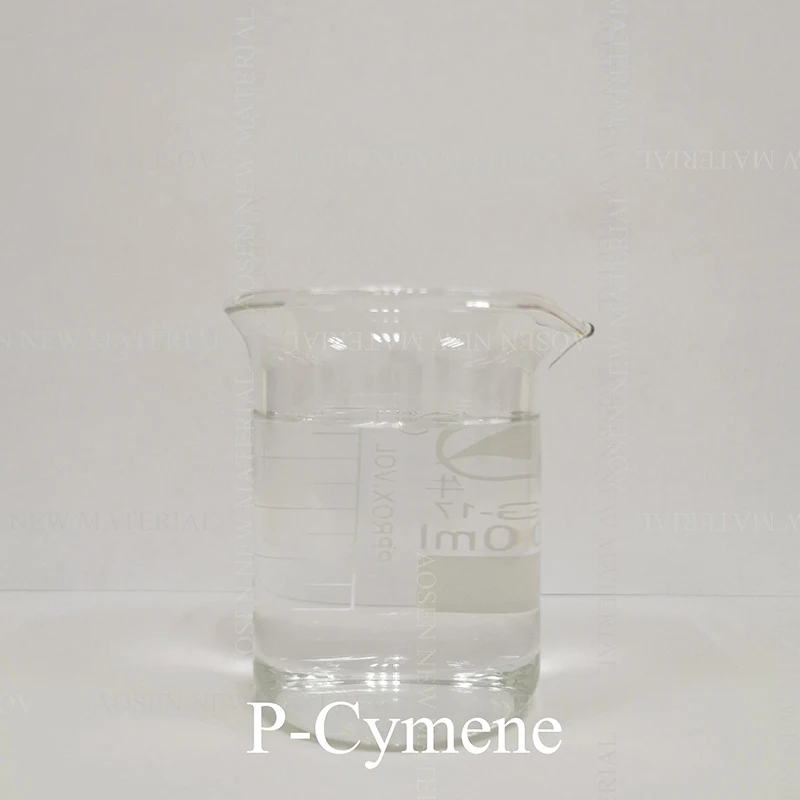
Natural flavour and fragrance materials can be grouped by origin and function. Plant-derived isolates, essential oils, resinoids, and oleoresins each contribute distinct characteristics. For example, longifolene and isolongifolene serve as important intermediates in fragrance synthesis, while p-cymene appears in both flavouring and industrial applications. These materials form the backbone of many complex formulations.
Processing and Quality Control
Producing reliable natural flavour and fragrance ingredients requires careful sourcing, extraction, and purification. Advanced reactors and automated equipment help maintain batch consistency. Quality control focuses on sensory profiling, purity analysis, and stability testing. Without rigorous oversight, natural materials can vary significantly, affecting final product performance.
Which Industries Rely Most on These Ingredients?
The reach of natural flavour and fragrance compounds extends across many sectors. Understanding their applications helps clarify market dynamics.
Food and Beverage Applications
In food and beverage, natural flavour and fragrance ingredients enhance taste and aroma. They are used in confectionery, dairy, baked goods, beverages, and savoury snacks. Formulators value their ability to deliver authentic profiles while meeting clean-label targets. The challenge lies in maintaining stability through processing and shelf life.
Personal Care and Cosmetics
Fragrance is a critical component in personal care. Natural flavour and fragrance materials provide scent in soaps, lotions, shampoos, and fine fragrances. They also mask base odours and contribute to product identity. Regulatory compliance and skin safety are paramount, driving careful selection and testing.
Household and Industrial Products
Detergents, air care, and industrial cleaners also incorporate natural flavour and fragrance ingredients. These applications demand cost-effective solutions that remain stable in diverse chemical environments. The trend toward eco-friendly formulations has increased interest in biodegradable and naturally derived options.
Comparative Overview of Sourcing Options
The following table outlines qualitative differences among common supply approaches for sensory ingredients:
| Aspect | Natural Flavour and Fragrance | Synthetic Equivalents | Nature-Identical |
|---|---|---|---|
| Source | Plant, animal, or microbial | Petrochemical synthesis | Chemical synthesis matching natural structure |
| Sensory Profile | Complex, nuanced | Consistent, sometimes flat | Close to natural |
| Cost | Variable, often higher | Lower and stable | Moderate |
| Regulatory Acceptance | Favourable in clean-label markets | Widely accepted | Accepted with disclosure |
| Supply Stability | Subject to harvest and climate | Highly stable | Stable |
What Challenges Affect the Supply Chain?
Natural flavour and fragrance supply chains face unique pressures. Weather variability, geopolitical factors, and transportation costs can disrupt availability. Additionally, the complexity of natural materials demands robust traceability. Manufacturers must balance ethical sourcing with competitive pricing. Investments in alternative production methods, such as biotechnology, are emerging as long-term solutions.
Innovation in Production Technologies
Advances in extraction, fermentation, and enzymatic conversion are expanding the range of natural flavour and fragrance ingredients. These technologies improve yield, reduce waste, and enable the creation of rare or expensive compounds. Companies that integrate R&D with production can respond faster to market trends and regulatory changes.
Regulatory and Safety Landscape
Compliance is non-negotiable. Different regions maintain distinct rules for flavouring and fragrance substances. Documentation, safety assessments, and labelling requirements vary. Producers must stay informed and adapt formulations accordingly. Working with experienced suppliers simplifies this process and reduces risk.
How Does Shandong Aosen Support This Market?
Shandong Aosen New Material Technology Co., Ltd. is a high-tech enterprise integrating research, development, production, and sales of fine chemical products. Its portfolio includes chemical intermediates, plasticizers, polymeric materials, and daily chemicals. Among its offerings are polycinylidene chloride, dioctyl adipate, longifolene, isolongifolene, and p-cymene. These substances play important roles in the broader Natural Flavour and Fragrance value chain, particularly as intermediates and functional ingredients.
Production Capabilities and Infrastructure
Located in Fengcheng Industry Park of Laiwu Development Zone, the company focuses on the production and R&D of chemical intermediates, plasticizers, polymeric materials, and daily chemicals. It operates three production workshops and has introduced advanced automated production equipment. The facility includes numerous reactors of various capacities and well-equipped research and development facilities. To meet diverse market demands, the company also cooperates with and rents plants and advanced facilities to develop new materials. This flexibility allows it to provide a full range of services, from small quantities to tonnage supply.
Global Reach and Partnerships
Aosen products are exported to Europe, Central Asia, North America, and South America throughout the year. The company has established long-term and stable strategic cooperation relationships with well-known manufacturers at home and abroad. It enjoys a high reputation in the fields of plastics and daily chemicals. This international presence ensures reliable access to key intermediates used in flavour and fragrance formulations.
Commitment to Quality and Service
By integrating R&D, production, and sales, Shandong Aosen maintains control over quality and delivery. Its automated equipment and experienced technical personnel support consistent output. Clients benefit from a comprehensive service model that addresses everything from product development to logistics. This approach aligns with the evolving needs of the natural flavour and fragrance industry.
What Lies Ahead for Sensory Ingredients?
The future of natural flavour and fragrance materials will likely be shaped by sustainability, biotechnology, and changing consumer expectations. As brands seek differentiation, the ability to source high-quality natural ingredients will become a competitive advantage. Suppliers who invest in technology and sustainable practices will lead the market.
Strategic Considerations for Formulators
Formulators should prioritise transparency, traceability, and sensory consistency. Building relationships with reliable manufacturers reduces supply risk. Testing natural materials early in development helps avoid costly reformulations. Finally, staying informed about regulatory updates ensures market access.
The Role of Integrated Suppliers
Integrated suppliers like Shandong Aosen New Material Technology Co., Ltd. offer stability and expertise. Their ability to produce a range of chemical intermediates and fine chemicals supports the creation of sophisticated natural flavour and fragrance solutions. As the market grows, such partnerships will be instrumental in meeting global demand.
In conclusion, natural flavour and fragrance ingredients are transforming product development across food, personal care, and household sectors. The convergence of consumer preference, regulatory support, and technological progress creates a dynamic landscape. Companies that combine R&D strength with production agility—like Shandong Aosen—are well positioned to serve this expanding market.
About Shandong Aosen New Material Technology Co., Ltd.: A high-tech enterprise integrating R&D, production, and sales of fine chemical products. Its offerings include chemical intermediates, plasticizers, polymeric materials, and daily chemicals, such as polycinylidene chloride, dioctyl adipate, longifolene, isolongifolene, and p-cymene. Products are exported worldwide, supported by advanced production facilities and a commitment to long-term partnerships.